
Projects
You can access each of our projects by clicking on the heading.
BEACH CLEANING
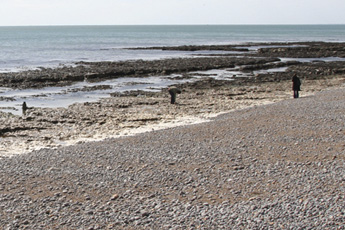
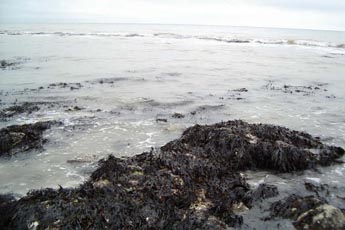
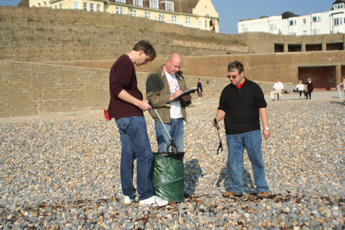
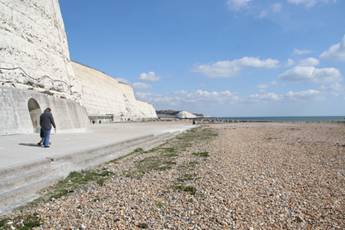
The Wildlife Zone organises the Foundation's beach-cleaning days at Rottingdean Beach near Brighton, as we have done for the last 13 years. The dates for 2017 are;-
Sunday 16th April
Sunday 18th June
Sunday 24th September
If these dates change we will let you know in the Wildlife Zone Newsletter.
As normal we begin our clean ups directly below the White Horse Inn on Rottingdean Beach at 1.00pm, So it is best to be there on time because we usually start promptly after we have introduced ourselves and explained what the procedures are to new volunteers.
FES has adopted the Site of Special Scientific Interest (SSSI) of Rottingdean Beach in the national Adopt-A-Beach Campaign administered by the Marine Conservation Society.
FES has been beach-cleaning and making systematic recording every season for 13 years. It has included International Beach-Watches held in the middle of every September (this is the worldwide event that gathers global data during the same weekend).
By persistently beach cleaning, FES has built up pictures for every Spring, Summer, Autumn or Winter as well as being able to see what has happened during any one year.
We can then propose to stop the pollution by tackling the problem at its source by establishing what type of peoples or industry is responsible for creating the rubbish on Rottingdean Beach. It usually comes from seven different sources; public, non-sourced, fishing, shipping, sewage related debris, fly tipped and medical.
By having a decade of precise data, it is possible to compare and contrast Rottingdean with nearby beaches or others elsewhere in the country The team analyzes and evaluates the data to see what is happening and any trends that are building up. We have already found that over the first 13 years the litter has got worse and that the government must do something about the causes of the burgeoning problem.
In addition to beach cleaning whilst we are on the shoreline, we also undertake other marine issues such as monitoring shells, egg cases and mermaid’s purses which we find on the beach. We report stranded or washed-up animals such as jellyfish, dogfish and dead birds to the MCS as additional information to the beach-clean. Moreover, FES volunteers also look out for basking sharks, turtle tracks, birds and other wildlife sightings which are then reported to other relevant organisations.
During our decade of beach cleaning and wildlife monitoring we have found that this part of the coast has resident populations of seahorses, as specimens have been washed up on the beach and in the nearby marina. Unfortunately in the past our own Seahorse Plan has been hampered by a lack of funding although we are now trying to put wrong matters right.
The Wildlife Zone is publishing Beach-Cleaning, a book of the scientific data which we have collected at Rottingdean. This will give clarity and draw pictures of what has been happening on the site, whether they are good or bad, so that we can advise a proper plan of action to make the SSSI a better place for people and wildlife.
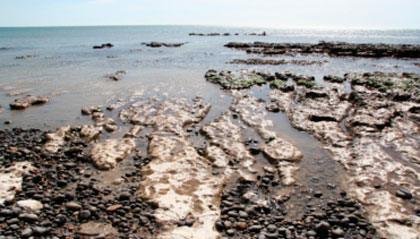
Rock Pools with loads of Wildlife.
In 2015 the European Commission has asked Britain to continue its beach-cleaning in a different project called ‘The Great British Beach Clean’, run with association of the Marine Conservation Society. FES has decided to be part of this 3 year project, cleaning the beach in every quarter, with similar guidelines, adapted to a new set of specific guidelines.
Anyone who wishes to help us with beach-cleaning by all means let us know by using the volunteers or contact page. We will gladly give you the necessary information to join us in this uplifting project.
More up to date information can be found in the Wildlife Zone Newsletter.